
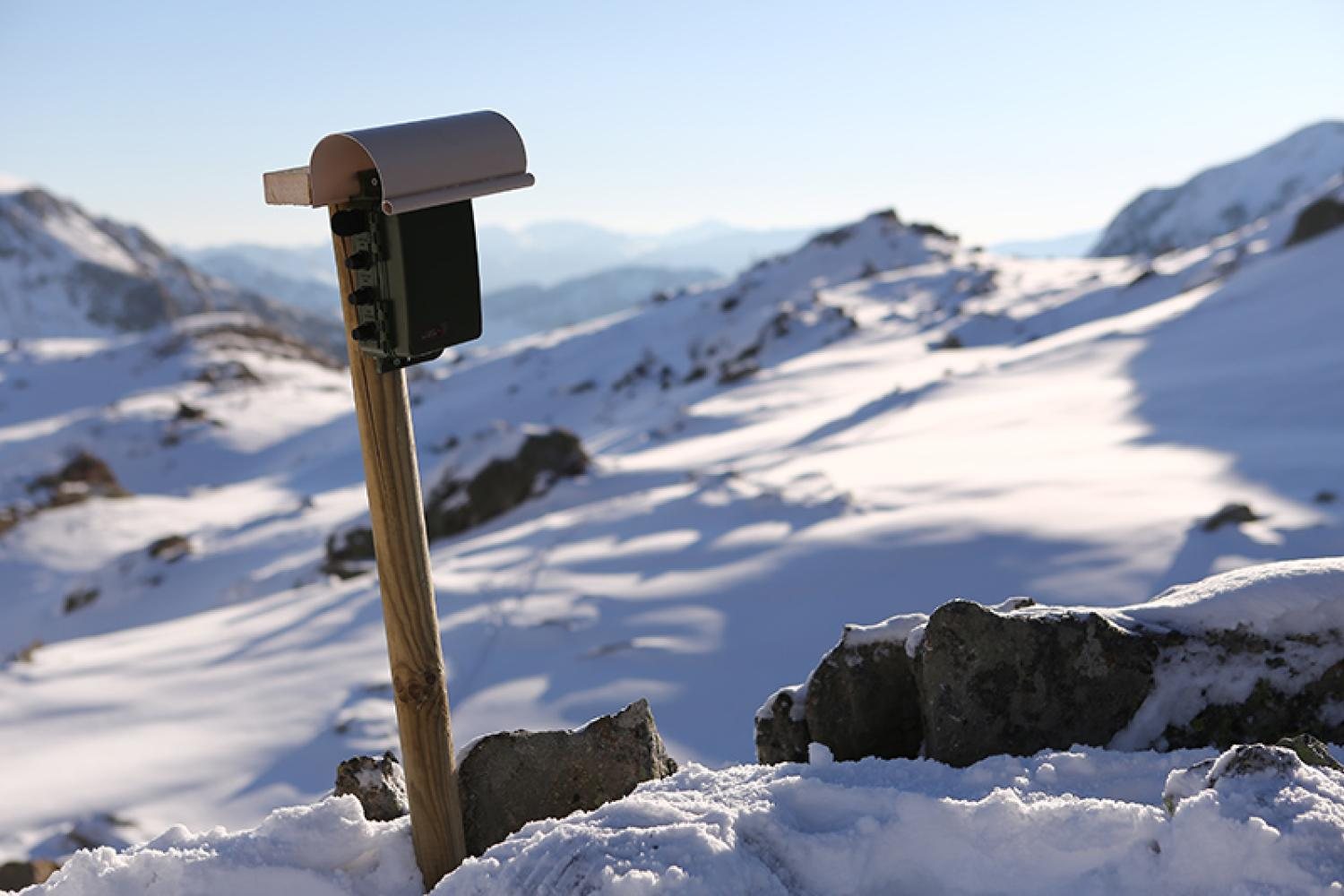
The POIA project brought together several partners to install 150 recorders across the Alps to monitor the rock ptarmigan population over two years. The goal was to test acoustic recorders at large scale to better understand the distribution of rock ptarmigans across the Alpine arc.
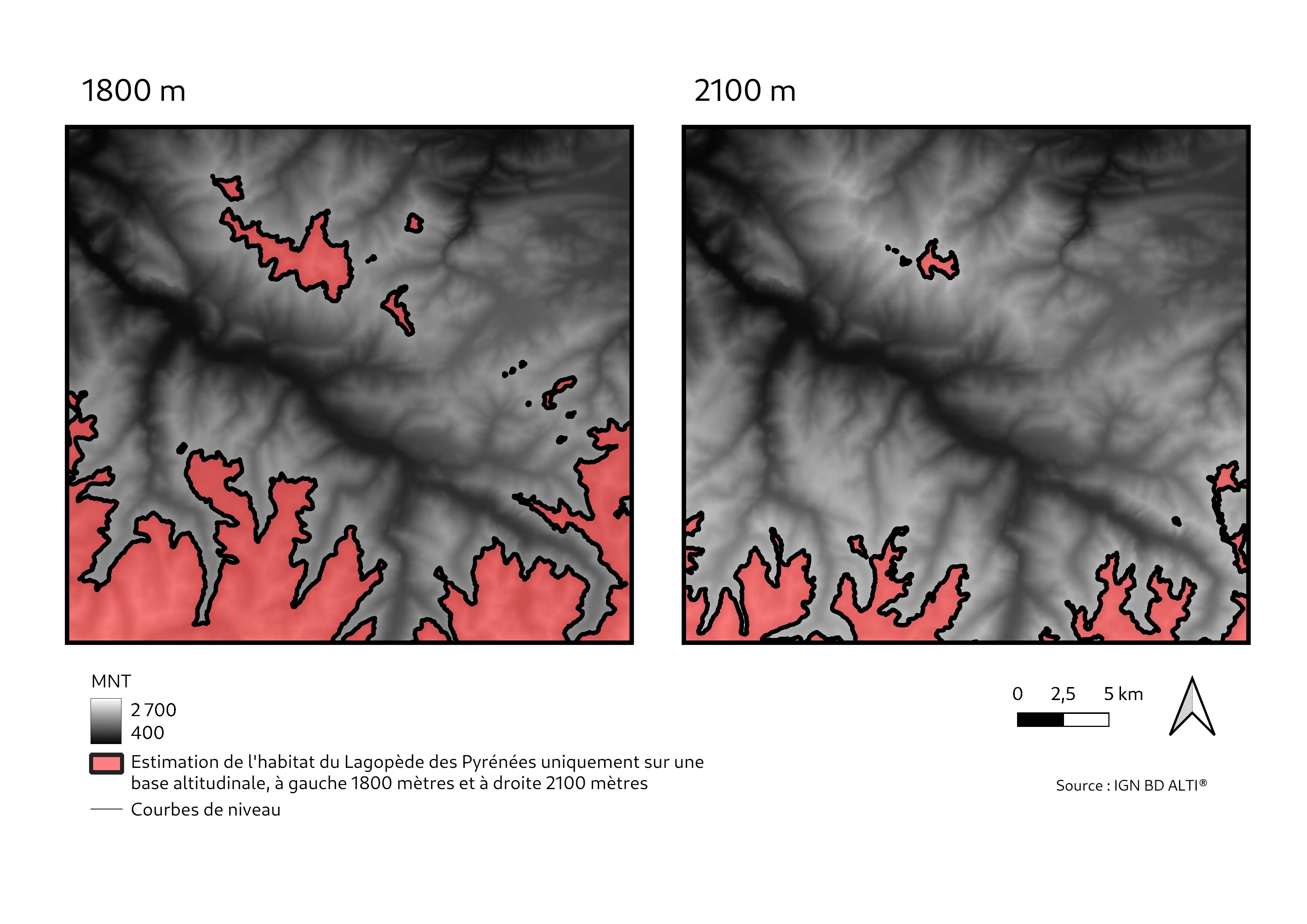
The Saint-Barthélémy regional nature reserve is home to a small population of rock ptarmigan. However, the species' long-term survival there is uncertain, as the reserve is isolated from the main Pyrenean mountain range.
The project aims to assess the current population (density, distribution), then to better understand how this population can survive under these isolated conditions.
How long can the species persist in the reserve?
And is there natural reinforcement of the population from individuals coming from the main Pyrenean range?
Ecrins National Park is a pilot site for testing bioacoustics, in particular for developing an acoustic counting method for rock ptarmigans. This includes comparing traditional counts (point counts) with the acoustic monitoring method.
.webp)
The Ter i el Freser Natural Park, in Spain, monitors a population of rock ptarmigan, as the species is an indicator of environmental change. If the species disappears, it means the conditions necessary for its survival are no longer met — that habitats are changing.
.webp)